
Shinetsu Trail Hiking
Onsen stays and Japan’s first long-trail
“How fleetingly Autumn ends,
A distant Sun approaches,
On hidden trails through ravine and mountain path.”
ー Tatsuji Miyoshi, 1930
Japan’s first long trail, the Shinetsu Trail is the perfect autumn walk for nature lovers. Four to six days of varied, lush scenery in unspoilt Satoyama marshlands, well-defined mountain paths and excellent Onsen hot springs from relaxed up to challenging walking, with the option to extend further with two to three days of additional hiking while learning about the Shugendō mountain worship religion with a practicing Yamabushi priest.
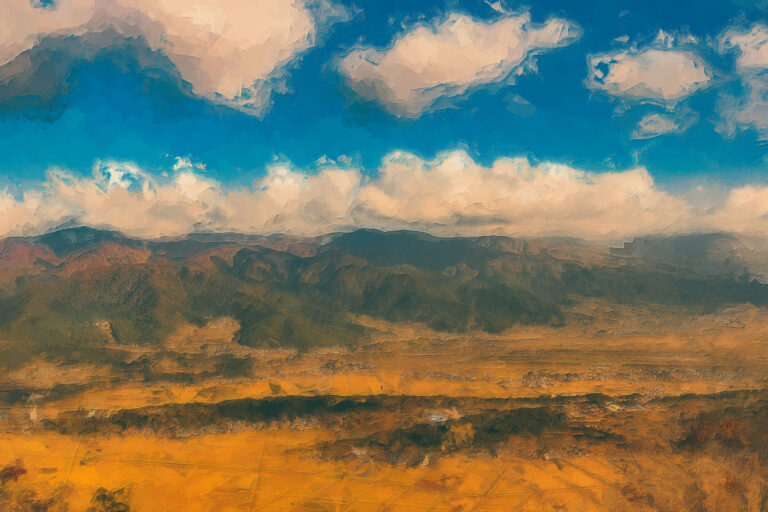
I was invited to join a friend on a hiking trip to the Shinetsu Trail some years ago, but I hesitated to fully commit without first doing some research on the route she had in mind. Over the years, I had heard various things about Shinetsu from walkers both full of praise, but also cautious advice about the nature hike, which as Japan’s first long trail, throws up some unique challenges.
One suggestion I was given was to do the trail at the right time. I was being invited in late September, which seemed like a mild time to walk, but would also avoid the pile up of snow occurring from late December through to around April, sometimes as late as June, depending on the regions walked. I read that September to November would be ideal. Late June to August if you can enjoy 30 degree hikes, which isn’t for everyone, and definitely not for me.
So, step one cleared.
The second word of caution I was given was that the accommodations for the walks can sometimes be a little bit away from the trails. So this was something I wanted to get right. Iiyama is the main region the Shinetsu trail passes through, and is situated on the border of Nagano and Niigata Prefectures; a region of central Japan famous for the aforementioned snowy winters.
This makes it a popular outdoor activity area in colder seasons, with rich, biodiverse nature, and abundant onsen hot springs in the warmer times. With over 200 hot spring areas in total, Nagano is the second most onsen-rich area in Japan after world-famous Beppu on Kyushu Island (which we visit on our Northern Kyushu coast-to-coast trip).
If I was going to make it all the way out to Nagano for a wonderful trek, I didn’t want to miss the well-regarded mineral baths of the region to help restore my legs in the evenings. After many hours of researching and phone calls later, I had reached a comfortable plan with some clever logistical tweaks, and the odd multi-day stint in certain locations, resulting in seven consecutive nights of excellent onsen inns. Perfect.
One additional element that wholly solidified the experience as one of my favourite hikes in Japan was arriving into the region a couple of days early, and joining an engaging ascetic monk, known in Japan as Yamabushi, who very generously shared with our group stories about his syncretic Shugendō religion, a deeply spiritual form of mountain worship, as we hiked through the atmospheric mountains in the area. No amount of research could have prepared me for how spectacular, how emotive, and how surprisingly affirming the whole experience turned out to be.
With Yamabushi numbers dwindling in recent years, and having learned he was the last practitioner of his form of worship in the Nagano region, I asked the priest whether he had any concerns for the future of this austere, yet remarkably elegant religious practice, and without missing a beat, he responded confidently;
“I have no worry for the future of Yamabushi, we will survive in some form. My bigger concern is for younger generations; I hope they find the inner peace of connecting with this kind of nature, instead of their mobile phones and fast food culture.”
Quite.
I tend to avoid the overused phrase enlightening, but even as a non-religious agnostic, I was deeply moved by the experience with the ascetic monk, and try to go back every few years.
What makes the Shinetsu Trail and the wider Nagano region special
‣ Diverse walks through farmland, small settlements, mountain paths and beech forests
‣ Recharge in onsen hot spring hotels on three to six nights
‣ Easily adjustable walking to suit entry to high-level hikers
‣ Take in a wide variety of wildlife, including 82 kinds of bird native to the region
‣ The trip is easily extended with spiritual shugendo hiking and cycling options
‣ Easy bullet train access from Tokyo, with options from Kyoto and Osaka also possible
Our Shinetsu Trail hiking recommendations
‣ Suggested duration: from four to eight days in total
‣ Distance covered: up to 140km (from 2~20km per day)
‣ Trip level: All levels from beginner through to expert
‣ Activity style: A mix of forest, wetland, village and mountain trails
‣ Hotel style: Traditional B&B, hotels, or a mix of both
‣ $250 deposit (suggested budget from $965~$1300 per person)
Our Shinetsu Trail Model Itinerary
Itinerary
Day 1 – Leaving the hustle and bustle for something more rugged
Depart from Japan’s capital Tokyo, with a two-hour bullet train to our entry point to the Shinetsu Trail, Iiyama. Enjoy a short (or longer if you prefer), introductory hike to your inn for the evening.

With a quick and scenic train ride from Tokyo (or reasonable train options from Osaka or Kyoto), arrive into the Japanese alps to the north-east of Nagano prefecture. After reaching the area of Iiyama, we do a gentle introductory walk to our first inn, with options to extend further using local transportation.
We overnight at a comfortable local accommodation nearby with relaxing onsen baths.
Day 2 – A day in the lowlands and a gentle mountain ascent
Take in the rugged mountain nature of Shinetsu with a lovely winding path through the forest and over a mountain pass.

After breakfast, we head out for our first full day along the Shinetsu trail with a varied hike in the region. We begin with water; a pond leading to wetlands and then on to a local lake, before a gentle ascent up a nearby mountain, affording nice views out over region; a tell of things to come.
Day 3 – The tranquil nature of Nagano
Heading north, we take in unique paths weaving between local sights, including more lovely water features.

An exemplary day of nature hiking in the region, taking in historic monuments, a gentle mountain pass and a cedar forest. Continuing on from the previous day, we also take in more water scenery too, with a spring and three ponds dotted along the route.
Day 4 – Four toge passes, a mountain and Onsen hot springs
Hitting our stride, we enjoy a long, but forgivingly gentle day in the region with further excellent nature hiking.

Now very deep into the Shinetsu trail, our hike today begins from the scenic trailhead along a walk which takes in four (!) gentle passes and a mountain before heading on.
Day 5 – Deep rural hiking and the chance to peek Sado Island
Head even further into northern Nagano, and experience the deep mountain culture and varied nature of one of the most remote routes on the trail.

Nagano is really just a playground of rural nature, featuring excellent hiking, and unique flora and fauna.
If we’re lucky, today we may see black salamander, green tree frogs, unqiue nabekura zazensoui plants, curving beech trees, and may even snatch a view of iconic island Sado from the pass in favourable weather.
Day 6 – A pass, a pass, a pass, then a mountain
We end the main route with another lovely trail to the north of the circuit.

A slightly longer hike today takes in a couple of mountain passes and one section of the route that sees some of the highest levels of snowfall in the region. As such, this may not be possible if travelling on fringe dates in the season.
We spend our last night of the main tour in the nearby region before heading onwards.
Day 7 – A spiritual walk or two
See a different side of the Shinetsu trail, by joining a local mountain monk on his spiritual journey into the mountains.

On the penultimate day of the full eight-day trip, we bid a farewell to the main route, and join the last Yamabushi mountain priest of Nagano on a spiritual journey, learning the origins of the practice while immersing ourselves yet further into the nature of the region.
Day 8 – One final hike before heading onwards
Enjoy one final light walk before heading onwards from the Shinetsu Trail.

On our final day, we bid a farewell to the region with another remote setting perfectly suited to ending on, and an easy end point to head onwards from returning to Tokyo, or to spend additional nights in the region.
Things to bear in mind along the Shinetsu Trail
The Shinetsu Trail is best enjoyed in Autumn, from September to November. Summer is hot (daytime highs above 30°C), but keep sunscreen handy as some sections visited have limited shade.
Winters are long and typically too snowy to hike, but depending on the year, some sections may be possible from May; please inquire for a modified trip.
While not recommended, please let us know if you wish to travel in the June rainy season, or peak holidays such as Golden Week in early May.
This trip is designed for hikers of all abilities, but does require mobility, with limited amenities outside of the hiking.
This Shinetsu trip both begins and ends best in Tokyo, but is completely possible from Kyoto and Osaka in Kansai for a small supplement. Please inquire for more distant start points.
We recommend the nationwide courier service on alternate nights, splitting luggage over two big bags, or using a rucksack daypack on the evenings in between. Please inquire if you require part of your luggage for all nights.
1. How long should I spend on the Shinetsu Trail?
From four to six days is the ideal hiking length for walkers. If he is available, two extra days with the Yamabushi mountain monk brings the total trip up to eight days in the regions, arriving into Tokyo in the afternoon on the final day.
2. Can I visit the region without hiking?
We can tailor the tour for non-walking groups, but please note that cultural options in the specific regions visited are somewhat limited. Please inquire for options and recommendentations, so that we can tailor the schedule to your interests.
3. Is the trail safe?
The trail is well-maintained and safe, even for solo travellers. For less confident hikers, we can look into partially guided options and shorter walking routes, so please inquire if you have any concerns.
4. Where do we meet you?
Our Shinetsu trail hike is self-guided, meaning that we do not generally meet in person. We will be happy to provide an online orientation to get you ready for the trip as required.
5. I’d like to book for tomorrow. Help!
Typically we recommend planning a walk well in advance, ideally three to six months before starting, or even longer. However, we want you to have a safe trip and can point you in the right direction.
6. I am a traveling by myself – will I be okay?
We have supported many solo hikers along the routes with fantastic, enjoyable adventures. The routes are well-maintained and checked regularly and you always have the emergency phone number of our support staff to provide assistance.
Inclusions
What we can provide
‣ 3-7 nights at traditional B&B inns or western-style hotels
‣ All breakfasts and dinners at inns
‣ Personalized schedule book with recommended timetable
‣ Detailed map book for navigation
‣ Orientation book for preparation
‣ Pre-trip and local support
‣ 4 days from $965
‣ 5 days from $1,130
‣ 8 days from $1,545
(per person with twin share)
Part of your trip cost goes towards the upkeep of the trails visited. Please consider donating directly to the trail maintenance fund, who do great work in the region. You can read more here.
Hibi Travel was born from a love of local Japan.
We are a small, family-run team, with the aim of connecting visitors with remote communities on immersive, engaging adventures throughout Japan.
