
The Michinoku Shiokaze Trail
Coastal Hiking in North East Japan
The Spring sea,
Swaying gently and unrushed,
Endlessly.
ー Haru no Umi by Yosa Buson, 1763
The Michinoku Shiokaze Trail is the coastal walk to experience in Japan. Within easy bullet train reach of Tokyo, our Michinoku Hiking route takes in varied nature, scrumptious local cuisine (with freshly caught seafood a particular highlight), wonderfully intense Onsen hot springs, and meeting, after memorable meeting with friendly locals eager to show off their hidden shrine or Izakaya drinking den. Oh, and the views aren’t half bad either.

How can you write deeply about Japan’s north eastern coastline without first beginning at the 2011 East Japan Earthquake and Tsunami, a large-scale tragedy that battered much of the Tohoku region, and left untold damage and devastation through what was considered one of the most prosperous, and beautiful regions of Japan. Japan and Tohoku’s fortitude in overcoming such tragedy and the tireless efforts of the people here in rebuilding their lives is genuinely commendable, and truly a moving sight to behold firsthand.
One day, while walking along a section of the Michinoku, I was stopped by a man who insisted on buying me a coffee. It transpired that he had lost almost everything in the Tsunami and was working to re-build his house nearby. He was curious why I had come out this far to his hometown, a place he considered a humble, remote area. I told I had heard the coasts of Tohoku had some of the most beautiful views in all of Japan, and the smile he gave me could have lit up the largest Christmas tree. To this day, we still exchange warm letters, his including pictures of an ever-expanding vegetable garden.
What makes Tohoku so memorable is the people and their positivity, which extends towards visitors to the area. We all go through hardships, but few such hardships, and few with such commendable grace and goodwill as those to the north of Japan.
The Michinoku Shiokaze trail itself spans an immense 1,000km over four regional prefectures, from remote Soma (about halfway between Tokyo and Hokkaido) to even more remote Same town towards the top of Honshu, suitably living up the Michinoku moniker, which means ‘At the end of the road.’
Through three to six days of rewarding coastal and mountainous hiking from 5km (one to two hours) up to 25km (eight to ten hours) per day, our suggested model itinerary visits some of the least built up, most attractive areas along the Michinoku trail, featuring some choice Onsen hot springs, and excellent inns with top-class Omotenashi service and excellent meals, meaning you experience an authentic rural Japan experience while contributing to the local economy, which in turn helps the recovery of the region. For the completionist, we can offer tailored two-to-three month support depending on your walking level, and we can also provide a culturally focused version of the trip for non-walkers. Please inquire and we’ll be more than happy to assist.
Please also consider donating to the Tohoku Disaster Relief fund, who do great work in the region. Visit the JNPOC Website here.
What makes Eastern Tohoku and Michinoku Shiokaze Trail Hiking special
‣ Varied coastal and mountain hiking with stunning views
‣ After hiking, relax in up to five Onsen hot spring inns on each evening
‣ Easily adjustable walking and sightseeing to suit all levels
‣ Cover a wide variety of local cultures over four distinct regions
‣ Remarkably friendly local people ready to help out at every town and village
‣ Convenient and logical scheduling to maximize your hiking time starting from Tokyo
The Michinoku Shiokaze trip at a glance
‣ Suggested duration: from three to six days in total
‣ Trip level: All levels from beginner through to expert
‣ Hiking style: A mix of coastal and mountain trails, some paved
‣ Distance covered: up to 115km over 6 days (from 5~25km per day)
‣ Hotel style: Traditional B&B, hotels, or a mix of both
‣ $250 deposit (suggested budget from $965~$1300 per person)
Our Michinoku Shiokaze Trail Model Itinerary
Itinerary
Day 1 - From the crowds of Tokyo to the coasts of Tohoku
Begin from bustling Tokyo, and take a bullet train north through the heart of Tohoku, northeastern Japan. Our first day takes in a great mountainous hike close to regional hub Sendai city before overnighting at a comfortable Onsen hot spring inn.
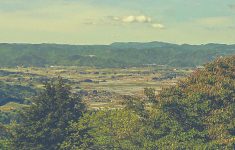
We begin with a day of contrasts; we first head out from Tokyo by bullet train to the smaller city of Sendai in Miyagi, before the even smaller settlement where our Michinoku adventure begins. After the few hours on the train and a short local connection, ready to stretch legs, we will have a number of varied hiking options of 8km up to 20km for those looking to challenge themselves.
Heading onwards by train and bus, we reach a wonderfully secluded Onsen; the perfect antidote to recovering after the walk, together with a fine meal.
For those undertaking one of the shorter walking options, there is also time to explore the excellent Miyagi Museum of Art, covering many important works from hailing from Tohoku, from the Meiji period of the 1800s through to the present day, as well as artwork by renowned western artists such as Klee and Kandinsky. Other highlights also include the site of Aoba Castle and Zuihoden Mausoleum and temple.
Day 2 - The tranquil beaches of Iwate along the Michinoku Shiokaze trail
Heading north and on from Miyagi, immerse yourself in Iwate; after Hokkaido both the second largest and second densest prefecture in all of Japan. Our mountainous hike today features spectacular scenery and a wonderful sense of place, ending perfectly at a lush sandy beach. Overnight at one of the great inns here or at a nearby Onsen hot spring.
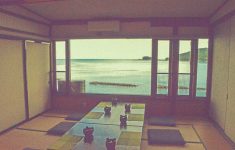
With an average of just 79 people per square kilometre, coastal Iwate is a secluded paradise. As the epicenter of the 2011 Tohoku earthquake, the cleanup and subsequent recovery has been hard-going, and while it is certainly forgivable to have concerns about the conditions in the area after such an event, after you arrive such fears are not only quickly allayed, but completely upended by the truly breathtaking scenery on offer. Spending a night on the coast here is truly a highlight, with the option to visit or overnight at an Onsen hot spring close by too.
Day 3 - The dramatic rock formations of northern Iwate
Continuing north, on our first full day in Iwate, we arrive at one of the most iconic views in the prefecture, with the perfect setting for a beachside hike, taking in excellent coastal views and unique rock formations. Overnight at a uniquely northern mineral Onsen hot spring inn nearby.

For those undertaking the full amount of hiking along the Michinoku, day three might be the day to rest those legs and take a gentler approach. The standard 12km can be extended up to 20km for those looking for the most challenging, rewarding version of the trail. On the gentler hike, there is the option to visit an additional excellent sea-facing view (in addition to the ones on the regular hike) and an engaging local museum.
Day 4 - Further into the Michinoku and Onsen hot springs
Our fourth day heads deeper into Iwate, and features another fine coastal hike along the seaside with some contemplative forest sections. Overnight where else, but a secluded Onsen inn tucked away in the nearby mountains.

Deeper into the Michinoku, Northern Iwate affords a different side of the trail, and an interesting counterpoint to the southern hike of the previous day. Today, the impactful coastline complements a quieter forest section, forming a great variety and contrast before the Onsen inn in the evening. The regular hike is 16km, with the option to shorten to 6.5km with a pre-booked local connection.
Day 5 - One final day in northern Iwate
Forest closes in on day five. After four days walking the coast, today takes you inland and upward into the cedar and beech forests of northern Iwate — quieter, more contemplative, and unlike anything the previous days have offered. It is the kind of hiking that asks something of you, and gives something back in equal measure. End the day at one of the finest Onsen inns on the route.

The Michinoku Shiokaze Trail is known for its coastline, and rightly so. But day five is a reminder that Tohoku holds more than one landscape. Deep forest sections of northern Iwate have a particular quality — the light comes through differently, the sounds change, and the sense of being somewhere genuinely remote settles in. Few places in Japan offer a walk for hours where you encounter almost no one and this is one of them.
Our standard route covers 20km, with an extended option of 22.5km for those who want to push. If your legs have accumulated a few days of coast, the 7km gentle option — which makes use of local trains for part of the journey — lets you arrive in the same spirit without the same effort. There is no wrong answer.
Along the way, there is the option to stop at a day-Onsen — a useful reset before the evening — and a couple of seafood lunch stops that are worth the small detour. Tohoku’s inland towns tend to feed you well and without ceremony.
The inn tonight is among the best on the route. After five days of trail, there is something particular about arriving at a mountain Onsen knowing that tomorrow is the last day — not quite relief, and not quite reluctance. Something in between.
Day 6 - Ending The Michinoku Shiokaze Trail on a high note in Aomori
Finish the main trip with a highlight coastal walk, leaving Iwate behind for the fourth and final prefecture of the Michinoku in Aomori, and a tremendous sense of achievement at reaching the end of the trail. Aomori is well positioned for heading onwards by plane or train to Tokyo or Hokkaido, with further options for extending the hiking and excellent Onsen within the local area.

On our final day, we bid a farewell to the Michinoku Shiokaze trail with a highlight walk ending with an emotive shrine on the coastline, and also a convenient end point to head onwards, or to spend additional nights in the region.
Situated at northernmost Honshu, Aomori families consume the most shellfish, scallops, and cuttlefish per household in all of Japan, resulting in the largest consumption of overall seafood for any prefecture. There is ample opportunity to see why, with lunch options along the way.
The final day of our model itinerary offers hikes of 6km, 20km or 23km before heading onwards. Please inquire for ideas on extending the trip with major and minor Onsen locations and pristine nature, including two phenomenal lakes in the region.
Things to keep in mind along the Michinoku Shiokaze Trail
Booking early is always best, especially for trips which fall over weekends, where limited rooms can occasionally fill up. Summer is more bearable than much of Japan, whereas Tohoku Winters are long and see heavy snowfall, making traversal on foot impractical. While also not recommended, please let us know if you wish to travel in the rainy season in June, or peak holidays such as Golden Week in early May.
The Michinoku Shiokaze Trail is strenuous if undertaking the full walking route, however this can be adjusted to suit your personal walking preference.
Our itinerary is designed with walkers in mind first, but has enough great nature and inn options for most styles of adventure from gentle walks through to full-day hikes.
The Michinoku Shiokaze trail is best started from Tokyo. Our trip typically begins in Tokyo and ends in Aomori, with easy access to the airport. Western Japan is possible with some additional travel time and cost on the bullet train to Tokyo, but a rest stop, perhaps at an Onsen town enroute, is recommended if coming from further way.
We recommend a shuttle service on alternate nights, splitting luggage over two bags, or using a daypack on nights in between. Please enquire if you require your luggage on all nights.
Frequently Asked Questions along the Michinoku Shiokaze Trail
Four to six days is the optimal amount of time for most hikers, with three possible for those passing through to Hokkaido or with limited travel time.
We can tailor the tour for non-walking groups and the schedule to your interests, so please inquire for options and recommendations.
The route briefly passes through Fukushima Prefecture on Day 1 by bullet train on the way north to Sendai. The areas we travel through are completely safe — radiation levels across the populated areas of Fukushima have been monitored continuously since 2011 and are well within normal ranges. We have travelled this route ourselves many times and would not include it if we had any concern whatsoever. The recovery and resilience of the region is, if anything, one of the reasons we find Tohoku so moving to visit. If you would like more detail on the specific monitoring data, please get in touch and we will share it.
If you have book an unguided (also known as self-guided) trip, this means that it is not actually necessary to meet in person. We will be happy to provide an online orientation to get you ready for the trip. Please inquire if you require a guide to join the group on the walk.
Typically we recommend planning a walk well in advance, ideally three to six months before starting, or even longer. However, we want you to have a safe trip and can point you in the right direction.
We have supported many solo hikers along the routes with fantastic, enjoyable adventures. The routes are well-maintained and checked regularly and you always have the emergency phone number of our support staff to provide assistance.
Inclusions
What we can provide
‣ 3-5 nights at traditional B&B inns or western-style hotels
‣ All breakfasts (dinners at inns are also recommended)
‣ Personalized schedule book with recommended timetable
‣ Detailed map book for navigation
‣ Orientation book for preparation
‣ Pre-trip and local support
‣ 4 days from $965
‣ 5 days from $1,130
‣ 6 days from $1,295
(per person with twin share)
Hibi Travel was born from a love of local Japan.
We are a small, family-run team, with the aim of connecting visitors with remote communities on immersive, engaging adventures throughout Japan.
