
Hiking Kyoto to Nara in Kansai
The Saigoku 33 Pilgrimage
“Shiru hito zo shiru” – Although few do, those in the know will know about it
From three to seven-days, our Kansai walking adventure sets about putting visitors on a different path, through a deep, storied narrative hiking Kyoto to Nara, with incredible temples forming the backbone of something much more varied and enriching.
We offer a pilgrimage suitable for those looking for spirituality, or simply just serenity from the crowds in unique settlements and districts, with a carefully balanced mix of the iconic, and the unmissable.
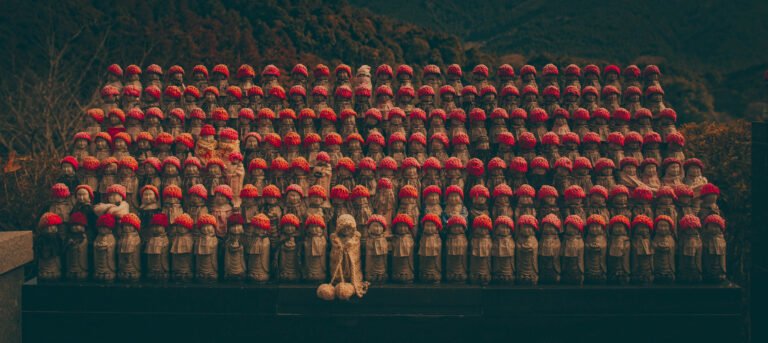
Kyoto, Nara, Osaka and Lake Biwa. Much-lauded as some of the best places to visit in Japan. So why do so many people do them in such a way, squashing into crowded tourist traps and upsetting the locals?
Like all of the best spiritual journeys, my pilgrimage had started long before I realized it had.
I first learned about the Saigoku 33 pilgrimage through a friend who was visiting all of Japan’s (at that time) 23 Heritage Sites – a mix of historically significant or unique sites dotted around Japan’s archipeligo.
His non-spiritual pilgrimage led me to research which of the sites featured around Kansai, which I was visiting shortly, and I happened upon the Saigoku 33 Pilgrimage – a deeply historic route tying together the wide regions of Kansai through 33 temples with the commonality of enshrining the Kannon Bodhisattva.
As I started to plan my route, putting pins into a map, I realized, much to my surprise, that one after another, I had already visited 14 of the 33; I had done almost half a pilgrimage without even meaning to. I’m not a religious person, but all 14 had been absolute must-visits on previous trips to the region, which shows you the significance of the temples involved. Conversely, if those 14 had been so incredible, which they had, what else could be hiding at the remaining 19?
Our trip incorporates a balanced number of the temples into a cohesive starting point for the lesser-visited areas of Kansai, allowing you to take in a wide breadth of culture, with the option to pass by some of the most significant spots the region has to offer. Our philosophy is make the most of your time, without over-indulging in any one thing, including temples.
With a curated timetable and route, including our suggested experiences, accommodation and meal tips, you can enjoy the area not just like a local, but as a Shiru hito.
What makes hiking Kyoto to Nara along the Saigoku 33 special
‣ See a different side of Kyoto, Osaka and Nara, with rewarding hiking
‣ Recharge at the tranquil waters of Lake Biwa
‣ Easily adjustable walking and sightseeing to suit all levels
‣ Convenient and logical scheduling to maximise your Kansai time
‣ Take in a wide variety of cultures over four distinct regions
‣ A varied mix of interesting temples along the Saigoku 33 Pilgrimage
Our recommendations
‣ Suggested duration: From three to seven days in total
‣ Distance covered: Up to 130km (from 2~20km per day)
‣ Walking level: All levels from beginner through to expert
‣ Hiking style: A mix of quiet town walks and mountain trails
‣ Hotel style: Traditional B&B, hotels, or a mix of both
‣ $250 deposit (suggested budget from $550 per person)
Our Hiking Kyoto to Nara Model Itinerary
Day 1 – A different view on Kyoto
Begin from Japan’s historic capital and cultural heart Kyoto, with an engaging backstreet town walk taking in up to five of the Saigoku Pilgrimage temples.
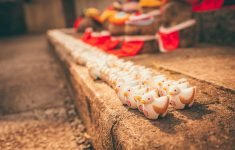
Kyoto needs no introduction as a reliable staple of any itinerary to Japan. In recent years however, the huge popularity of the old capital, combined with a supremely compact layout, owing to its mercifully well-preserved historical streets, has resulted in problematic levels of over-tourism and over-crowding at key sightseeing areas and public transport, negatively impacting on both the locals and visitors.
Our day here is designed specifically to sidestep the crowds, and the Saigoku 33 enables us to experience a good number of the highlights of the city on foot. Our standard route centers around three of the most engaging temples, with extension options taking in a total of five of the 33, and up to 11km of hiking on well-defined paved backstreets.
Complimenting the historic temples visited, we head on to explore the deep history of Shiga to the east, with an overnight stay in a historic town beside tranquil Lake Biwa.
Day 2 – The tranquil waters of Lake Biwa
Take in the pristine nature and rich history of Shiga and Lake Biwa at temples, islands and castle towns in this lesser visited side of Kansai.
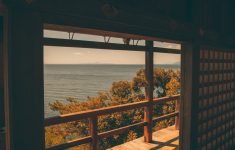
Shiga has a broad wealth of hidden treasures to uncover and one of the most photogenic temples out of the 33. We spend a full day in the region with the option of excellent mountain hiking, or a gentler exploration of the historic merchant towns here.
Day 3 – An afternoon of tea in lesser-visited Southern Kyoto
Heading south, we take in lesser-walked backstreets weaving between iconic sights, including the much-loved tea region of Uji.
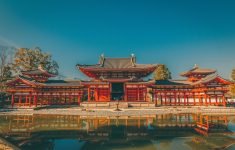
Beginning from Lake Biwa, water is a key theme of our third day along the Saigoku 33 Pilgrimage. We bid a farewell to the lake, and head to southern Kansai by train.
Our hike today starts from the wild pond of Manpukuji; a historically unique temple, featuring Chinese Zen Buddhism-influenced architecture from when it was founded in 1661.
Passing through quiet temple neighborhoods, we head south to Uji, home of Kyoto green tea, taking in a key temple on the Saigoku Pilgrimage and a relaxing stroll along the Uji River. The water here was critical in cultivating the tea plantations which sprouted during the Kamakura Period (1192-1333).
The monk Eisai, credited with introducing Zen Buddhism to Japan from China, also brought tea seeds, and in 1214 wrote the seminal tea book Kissa Yojoki, which helped inspire a popularity for tea among the Kyoto nobility.
Not only was Uji one of the first areas to adopt tea plantation culture, it also found a much wider audience as its popularity spread to the masses, owing to a reputation being some of the finest quality tea, a distinction that continues to this day.
After hiking from 7km up to 24km, we overnight nearby this evening.
Day 4 – An education in the temples of Nara
Travel to Nara, the first capital of Japan and a treasure trove of historic culture for a varied day of discoveries.
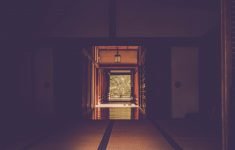
Nara, originally referred to as Yamato, was Japan’s first permanent seat of the Emperor from 710 to 794, until it was moved to neighboring Kyoto.
This distinction has afforded the region with an enviably rich culture and countless internationally recognized artifacts.
After reaching Nara, we have the option of taking in a number of the better-known sites here, one of which features on the Saigoku 33 Pilgrimage, before exploring the carefully preserved merchant district of the town.
There is also time in the afternoon to head out of the city, to visit one of Nara’s most iconic temples on the Saigoku Pilgrimage, a highlight of the trip, and not as well known or visited as the sites in the town center.
Day 5 – A rural setting in southern Nara
Head deeper into southern Nara, and experience the deep mountain culture of the Kii-Peninsula
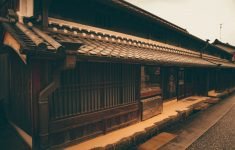
Southern Nara is a playground of rural nature, featuring excellent hiking, atmospheric temples and picturesque village settlements.
Following the pilgrimage, we take in one such settlement along quiet village roads before spending a night in this relaxing setting.
Day 6 – Leaving Southern Nara and on to rural Osaka
Explore more of Nara and enjoy unexpectedly remote Osaka for a final night in Kansai.
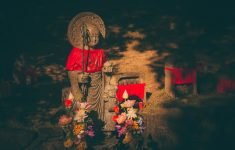
Both Nara and Osaka are best known as sightseeing hubs and busy cityscapes. Both also have so much more to offer, with opportunities to walk at a slower pace and take it diverse, culturally rich temples and nature.
We spend our last night of the tour in Osaka.
Day 7 – One final temple or two before heading onwards
Enjoy one or two final light temple walks in a remote setting between Osaka and Kyoto before heading onwards.

On our final day, we bid a farewell to the pilgrimage with another highlight; a temple walk or two located in a remote setting perfectly situated between Kyoto and Osaka, enabling an easy end point to head onwards from, or to spend additional nights in the region.
Things to keep in mind hiking Kyoto to Nara
While every effort has been made to avoid city center overnight stays, the accommodation available can still fill up during Spring (late March to May) and Autumn (September to November), so please book early. Summer is hot (daytime highs above 30°C) and Winters are chilly (daytime lows getting into single digits), but with reduced walking, this trip is possible throughout the year.
While not recommended, please let us know if you wish to travel in the June rainy season, or peak holidays such as Golden Week in early May.
This trip is designed with the pilgrimage in mind, but has enough sightseeing options for any style of travel.
This trip begins and ends in Kansai, with easy access from both Osaka airports. Tokyo and eastern Japan are also possible with some additional travel times and costs on the bullet train or buses.
We recommend a shuttle service on alternate nights, splitting luggage over two bags, or using a daypack on nights in between. Please enquire if you require your luggage on all nights.
1. How long should I spend in Kansai?
If this is your first trip to Japan, it’s important to balance the major sights with local ones. Generally speaking, we suggest varying between the two where possible, our pilgrimage can slot in nicely with your wider plans. Four to ten days in total in Kansai is a good baseline.
2. Can I visit the region without walking so much?
Yes. For a gentler experience, the route is also possible by public transport. The experience changes quite a bit if traveling in this way, so please inquire for options and recommendentations. You may also like to consider our cycling version of the trip.
3. What happens if I get lost?
Put simply, we make every effort to ensure this doesn’t happen, carefully prepared, frequently checked, detailed documents will get you from point to point with minimal effort. In the unlikely event that you do lose your way, you will have our support team ready to receive your call and provide advice and assistance as required.
4. Where do we meet you?
All of our trips are unguided (also known as self-guided), meaning that it is not actually necessary to meet in person. We will be happy to provide an online orientation to get you ready for the trip. Please inquire if you require a guide to join the group on the walk.
5. I am going to Kansai tomorrow, can you help plan my trip?
Typically we recommend planning your walk well in advance, ideally three to six months before starting, or even longer. However, we want you to have a safe trip and can point you in the right direction.
6. I am a traveling by myself – will I be okay?
We have supported many solo hikers along the routes with enjoyably memorable adventures. The routes are well-maintained and checked regularly and you always have the emergency phone number of our support staff to provide assistance.
What we provide
‣ 3-6 nights at traditional B&B inns or western-style hotels
‣ All breakfasts (dinners and/or reservations optional)
‣ Personalized schedule book with recommended timetable
‣ Detailed map book for navigation
‣ Orientation book for preparation
‣ Pre-trip and local support

‣ 3 days from $550
‣ 4 days from $775
‣ 7 days from $1225
(per person with twin share)
Hibi Travel was born from a love of local Japan.
We are a small, family-run team, with the aim of connecting visitors with remote communities on immersive, engaging adventures throughout Japan.
